
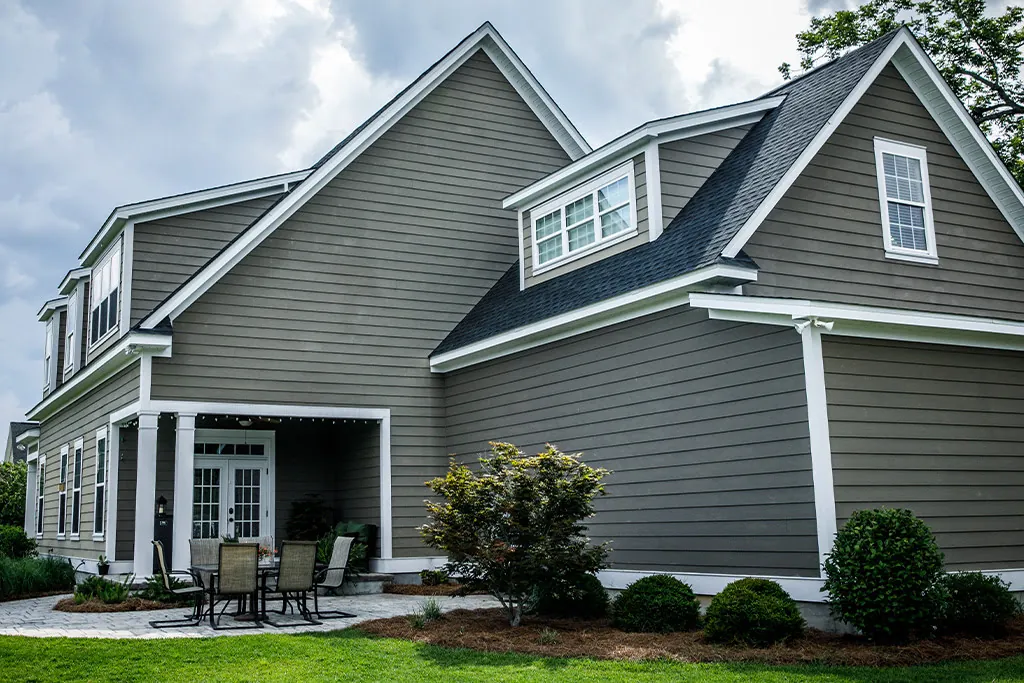

Roof maintenance in Calgary involves regular inspections and tune-ups to maintain shingles, flashings, vents, and gutters in good condition, particularly during chinooks, hail, and freeze-thaw cycles.
For homeowners and businesses, consistent maintenance prevents leaks, ice dams, and premature roof failure, thereby reducing the need for expensive repairs and insurance claims.
Calgary roofs battle UV, wind and quick melts, so a defined strategy counts.
Superior Roofing Ltd. delivers local expertise, transparent updates, and reasonable repairs to keep your roof resilient all year long.
Calgary’s Unique Climate
Calgary’s roofs had it rough. Big temperature swings, heavy snow, summer hail, strong winds, and high UV all accelerate wear for Calgary. If you have a plan and maintain your equipment regularly, you can minimize problems and keep costs under control.
Extreme temperature swings, snow, and hail
Days may begin warm and sunny, then fall quickly after sunset. That swing induces thermal shock, causing shingles to curl, crack, or lose granules. Heavy snows add weight that stresses sheathing and fasteners.
Summer hailstorms roll through the city’s “fifth season” of construction, beating down asphalt shingles, metal panels, skylights, and vents. Calgary’s unique weather conditions mean that after any hail or wet snow, it is essential to inspect for bruised shingles, dented flashings, and torn membranes on flat roofs, particularly on our south and west slopes, which are exposed to higher UV levels.
Rapid freeze-thaw cycles
Freeze-thaw is standard here. Meltwater slides into fine cracks during the day, then freezes and swells at night, which pries apart seams, lifts shingles and pops open nail holes. Ice dams develop along eaves and in gutters, preventing runoff and forcing water beneath the shingle layer.
Maintain a cold roof deck by keeping attic insulation uniform and ventilation balanced at soffits and the ridge. In winter, rake the lower one to one and a half meters of the roof edge after storms, and keep downspouts clear so meltwater has a path.
High winds and summer storms
Calgary’s unique climate includes Chinook winds and summer squalls that can peel back tabs, loosen ridge caps, and stress parapet flashings on flats. High-wind-rated shingles, six-nail patterns, and sealed starter strips at eaves and rakes are essential.
For commercial roofs, verify fastener density at perimeters and corners, where uplift is most likely to occur. After wind storms, check for lifted tabs, exposed nails, and displaced ballast.
Why inspections and quick repairs matter more here
The weather changes quickly. We’ll have sun in the morning and snow in the afternoon. Little problems fester between seasons.
Schedule spring and fall inspections to catch UV loss, hail marks, loose flashings, and sealant gaps. Seal small imperfections immediately to prevent leaks once the next swing rolls around.
Seasonal Roof Maintenance Plan
Seasonal Roof Maintenance Plan A focused, year-round plan keeps Calgary roofs tight, efficient, and safe, lowering lifetime costs and shielding interiors from moisture.
Spring Cleaning
Conduct a comprehensive visual inspection both from the ground and at the eaves. Check cracked or missing shingles, lifted tabs, granule loss, rust at vents and gaps at skylights.
Clear gutters and downspouts so spring melt drains away from the fascia and foundation. Clean roof valleys and around chimneys, rake small moss patches with an easy brush and hose.
Moss and algae prefer cool, damp, shaded areas on north slopes. Inspect soffits for bird nests and blocked vents, and verify attic airflow to ensure optimal ventilation.
In the attic, check for wet spots, dark stains or frosty marks, and ensure insulation is uniform and dry.
Summer Storm Prep
Cut back branches overhanging the roof to minimize wind damage and debris. Inspect fasteners, exposed nails, and flashings at walls and chimneys and reseal with quality sealant where necessary.
Confirm intake and exhaust: soffit vents are clear, ridge vents are open, and fans are working. If the roof runs hot, consider using light-coloured cap sheets or a reflective coating on low-slope roofs to increase energy efficiency.
Schedule a professional inspection annually; we recommend doing so in mid-summer, before the peak of hail season arrives.
Fall Roof Maintenance
Sweep off leaves and seed pods, keep gutters clear to prevent overflow and ice damming. Inspect flashing, pipe boots and sealants once again.
Seal up small gaps before freeze-thaw gets at them. Spot loose shingles and ridge caps now; replace or secure them to prevent wind lift.
Scrub algae lines lightly with cleaner and a low-pressure rinse. Deploy zinc strips at repeat growth sites.
Winter Snow Removal
Following heavy snow, use a roof rake from ground level to remove 4 to 6 inches of snow to relieve stress and minimize ice dams.
Be on the lookout for ice at eaves, keep soffit and ridge vents open, seal attic air leaks, and confirm insulation depth to maintain a cold, dry deck.
Keep attic air dry and add ventilation if frost forms. Seasonal roof maintenance keeps mould at bay, safeguards your home’s structure, and helps you dodge expensive roof repair bills.
Identifying Roof Damage
Calgary roof wear patterns are caused by hail, chinooks, freeze-thaw cycles, and spring melt. Swift post-storm inspections and consistent seasonal audits help identify problems early, keeping repair expenses under control.
Conduct thorough visual inspections after major storms to spot missing shingles, cracked tiles, or damaged roof coatings.
Prioritize south- and west-facing slopes where sun and hail strike hardest. Check for missing or curled shingles, cracked concrete tiles, split shakes, punctured membranes on flat roofs, and blisters or bare spots in coatings.
On parapets and eaves, inspect flashing seams and sealant pulls for any gaps or pulls. Around vents, chimneys, and skylights, observe lifted flanges or torn gaskets. Calgary’s hailstorms leave bruised shingles that may not be apparent initially but give a soft sensation when pressed lightly by hand.
Watch for signs of water intrusion, such as ceiling stains, attic moisture buildup, or visible leaks during rainy seasons.
Inspect the ceilings for yellow or brown rings, especially near exterior walls. Check for damp sheathing, frost in the winter, a musty smell, and wet insulation in attics.
While raining or melting, follow drips around valleys, vents, and skylight wells. Ice dams along eaves can force meltwater beneath shingles. Inspect stained soffits and peeling paint underneath.
Check for granule loss on asphalt shingles and rust on metal roofs as indicators of aging or deteriorating roofing materials.
Granules in gutters, downspouts, or at drain scuppers indicate UV abrasion and reduced shingle life. Bald patches on high spots and below downspout splash zones are common.
On metal, watch for rust at fasteners, seams, and cut edges, as well as chalking finish and loose screws. On flat roofs, observe alligatoring, ponding rings, and seam lift.
Document any visible damage immediately and schedule prompt roof repairs to prevent minor issues from escalating into major roof replacement needs.
Collect old photos, mark leak points, and record wind, hail, or heavy snow events. Look out for sagging planes, moss mats, clogged gutters, and elevated energy bills due to wet insulation.
Schedule a professional inspection. Calgary’s winters and chinooks accelerate failures. Proactive repairs prolong life.
The Attic’s Critical Role
Your attic is the mood setter for roof health in Calgary. It protects from the intense cold and heat by buffering these temperatures, controls moisture, and maintains the interior temperature. If it doesn’t, the roof suffers from ice dams, rot, and bills.
Ensure proper attic insulation and ventilation to regulate temperatures and prevent ice dam formation during Calgary’s cold winters.
For this reason, insulation makes a huge difference in restricting heat loss to the roof deck. Ventilation circulates cold, dry air in the attic, which keeps snow frozen and meltwater from refreezing at the eaves. Follow the Alberta Building Code: minimum vent area of 1 square foot per 300 square feet of insulated ceiling area.
Utilize a balanced system that includes soffit intake with ridge or roof exhaust to prevent short-circuiting. In practice, that translates to open soffits, baffles at the eaves, an unbroken ridge vent, and airtight attic hatches. This arrangement eliminates ice dams and attic frost.
Inspect attic spaces regularly for signs of moisture infiltration, mould growth, or poor airflow that can compromise the roof system.
Inspect at a minimum twice annually and after major chinooks or cold snaps. Common signs include dark stains on sheathing, rusted nails, damp insulation, frost buildup, musty odour, and daylight through roof boards.
Check for bath fan ducts venting into the attic, crushed soffit vents, or blocked baffles. Early detection cures sheathing rot and shingle devastation.
Address attic rain and condensation issues promptly to prevent structural damage and maintain a healthy roofing system.
Attic rain manifests itself as dripping nails, wet insulation or water stains following rapid warm-ups. Seal air leaks at light fixtures, top plates and chimneys, extend bath and kitchen ducts outdoors, install a vapour barrier, and repair and rebalance venting.
In extreme cases, dial up the exhaust and check the intake. A few quick fixes in the attic keep mould at bay and prevent decks from sagging.
Include attic checks in your seasonal roof maintenance routine to support the overall longevity and energy efficiency of your roof.
A properly ventilated attic prevents heat from radiating down in summer and heat from being sucked out in winter. This translates to more stable bills and fewer freeze-thaw cycles.
For sunny Alberta, most roofs last 15 to 20 years, and good attic airflow helps you reach that mark and save on repair costs.
Smart Material Choices
Hail, Chinook swings, deep cold, and heavy snow pummel Calgary’s roofs. Smart Material Choices should strike a balance between impact resistance, energy savings, and fit for your roof type. A smart roof around here reduces heat loss in the winter, assists cooling in the summer and withstands storms.
Impact-Resistant Shingles and Metal Options
Class 4 impact-rated asphalt shingles resist hail better, reducing surface damage and shingle breakage. Seek out SBS-modified shingles with strong sealant lines for enhanced wind resistance. Decra stone-coated steel provides hail and wind resistance with a quieter profile than bare metal.
Smart material choices include high-quality metal roofing, such as steel or aluminum, in the right gauge, and proper coating, which provide long life, excellent impact resistance, and superior snow shedding. Combine any system with synthetic underlayment; it outlives felt and rides freeze-thaw cycles like a champ.
Flat Roof Systems and Coatings
When it comes to commercial and multi-family roofs, EPDM and SBS rubber membranes are proven to be tried and tested in Calgary. They remain supple in the cold, are UV-resistant, and facilitate clean repairs.
Polyurethane foam roofing creates a monolithic, insulated envelope that increases R-value and reduces heat loss, then receives a UV-stable coating. Novel elastomeric or silicone coatings can add years to a surface, seal hairline cracks, and enhance reflectivity. Proper slope and drainage are crucial in preventing ice ridges and ponding.
Modern High‑Performance Choices
Smart material choices: TPO single-ply features heat-welded seams, a light colour for summer reflectance, and trusted performance with fine details. Smart material choices: Architectural standing seam metal provides long service life, excellent wind resistance, and clean snow shedding.
Opt for clip systems that accommodate thermal expansion and contraction. These are smart material choices that cut utility costs through insulation and reflectivity, which is critical in Calgary’s extended, frigid winters.
Match Material to Roof and Maintenance
Evaluate roof pitch, insulation, snow load paths and existing deck. Regular shingles typically last 15 to 25 years, while metal shingles last 40 to 70 years, and slate can last over 100 years with proper maintenance.
Smart material choices include selecting the right attic insulation and venting to prevent ice dams and lower energy bills. Partner with a trusted Calgary roofing contractor to match product, warranty and maintenance to your location, budget in CAD and plans.
DIY Calgary Roof Care
DIY Calgary Roof Care – Hands-on care helps extend a roof’s life in Calgary’s harsh mix of freeze-thaw cycles, hail, and chinook swings. Make it simple, make it regular, make it safe, and know when to walk away and call a pro.
Perform regular DIY roof inspections using a stable ladder and safety gear to check for loose debris, clogged gutters, and visible damage.
Schedule two inspections per year: one in the spring and one in the fall, along with a quick inspection after significant hail or wind events. If you absolutely must step on your roof, use a CSA-approved ladder, non-slip shoes, and a safety belt. Look for missing or curled shingles, blisters on flat membranes, lifted flashing, soft spots, and hail bruises.
Observe for ponding on flat roofs and cracked sealant around vents and skylights. Document your work by taking photos, marking trouble spots, and don’t walk on icy or frosty surfaces.
Clean gutters and downspouts seasonally to maintain proper roof drainage and prevent water backups or leaks.
Clean out gutters and downspouts every fall and spring to transport meltwater away before a freeze-thaw cycle solidifies clogs. Use a gutter scoop, a hose with a spray nozzle, and gloves. Ensure downspouts are positioned well away from foundations.
If trees drop heavy branches in your area, consider installing gutter guards. Maintaining proper flow reduces the risk of ice dams at the eaves and prevents fascia rot and attic leaks.
Remove overhanging tree branches and clear roof valleys to reduce the risk of damage from falling limbs or trapped moisture.
Cut back limbs that touch or hang over the roof to prevent abrasion and storm breakage. Clear roof valleys of needles, seed pods and granule-heavy sludge that retains moisture.
For bigger cuts near power lines or the roof to prevent impact damage, hire an arborist.
Use a gentle roof cleaning solution for moss or algae buildup, but leave complex repairs and roof leak detection to professional roofing companies.
Sweep off debris, then wash moss and algae with a mild, roof-safe cleaner and soft brush. Never use a pressure washer! On flat roofs, scrape off any organic growth and inspect for punctures.
If you suspect you have concealed leaks, wet insulation, or hail damage, contact a roofing professional. Little shingle repairs can cost between $500 and $1,000 CAD, and mistakes made while attempting to do it yourself can increase the cost. Specialized tools and knowledge are important for Calgary roofs.
Conclusion
Roof maintenance in Calgary requires definite planning and immediate execution. Hail, chinooks, deep freeze, and wind all smack hard. Little repairs today prevent large expenses down the road. Find leaks quickly. Clear drains. Inspect your attic for frost and wet spots. Choose hardy shingles or flat roof systems that match our swings in temperature. Stay ahead of the game, and your roof will last longer for less money.
Looking for roof maintenance in Calgary? Contact Superior Roofing for a complimentary inspection and expert advice. Schedule a roof tune-up before the next storm hits. For evidence of our craftsmanship and our identity, view our seal of approval on our About page.