
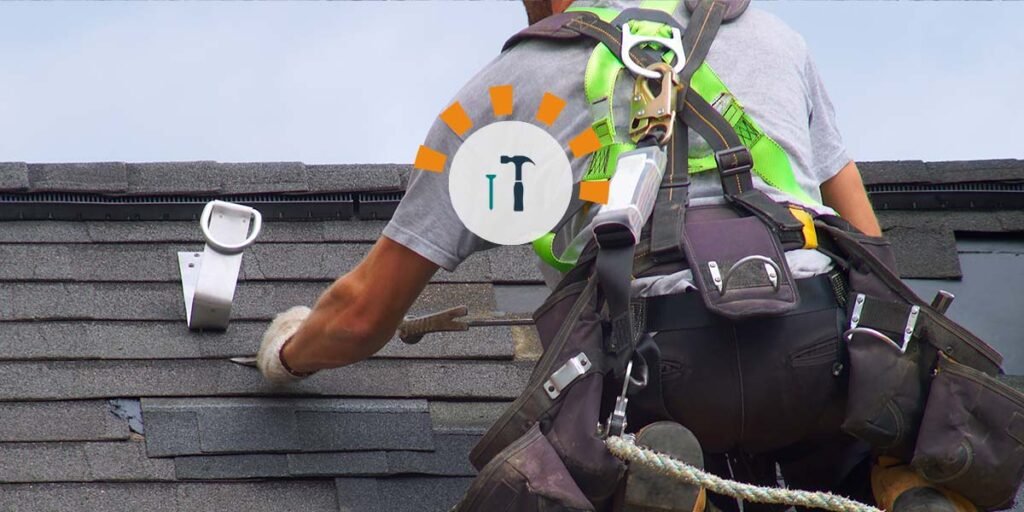

Watch a professional roofing crew work, and you’ll notice something that sets them apart from less experienced operators. It’s not just the speed or quality of their work. It’s how they move around the roof, the equipment they use, and the constant attention to safety details that aren’t obvious to casual observers.
Roofing consistently ranks among the most dangerous construction trades. Falls from elevation cause the majority of serious injuries and fatalities. Weather conditions create hazards that change by the hour. Materials are heavy and awkward. The work environment is inherently risky. Yet professional crews complete thousands of projects annually without incidents because they’ve built safety into every aspect of their operations.
Let’s pull back the curtain on what actually happens behind the scenes when safety-conscious roofing companies operate. This isn’t about OSHA regulations or corporate safety manuals. This is about the real-world practices, equipment, training, and culture that keep professional roofers safe day after day.
Before Anyone Climbs a Ladder
Safety starts long before work begins. Professional crews don’t just show up and start tearing off shingles. There’s a planning and preparation phase that establishes safety protocols for the specific project.
Site assessment happens first. The crew leader or foreman walks the property, identifies hazards, notes access points, determines material staging areas, and spots potential problems. They’re looking at roof pitch, height, obstacles, power lines, trees, landscaping, neighbor proximity, and a dozen other factors affecting safety.
Weather monitoring is continuous. Morning forecasts get checked. Real-time conditions get evaluated throughout the day. Wind speed thresholds exist beyond which work stops, period. Rain obviously halts work. Extreme heat triggers additional hydration protocols and modified schedules. Winter cold requires different equipment and techniques. Professional crews don’t gamble with marginal conditions.
Equipment inspection is systematic. Fall protection systems get checked. Ladders get examined for damage. Tools get assessed. Worn or damaged equipment gets replaced immediately, not after someone gets hurt using it. This inspection happens daily because equipment condition affects both safety and work quality.
The morning safety briefing covers the specific work planned that day, hazards identified during site assessment, weather considerations, and individual responsibilities. Everyone knows the plan. Everyone understands the risks. Everyone agrees on the procedures before work starts.
Fall Protection Systems That Actually Work
Here’s where you see the clearest difference between professional crews and amateurs. Professionals use comprehensive fall protection systems. Always. Not just when it seems particularly dangerous or when someone’s watching. Every single time they’re on a roof.
Personal fall arrest systems are non-negotiable. Full-body harnesses, not those old waist belts that can cause serious injury during falls. Shock-absorbing lanyards that reduce the force if someone falls. Properly engineered anchor points that can handle the loads involved.
The anchor points matter enormously. You can’t just tie off to whatever’s convenient. Anchors need to support 5,000 pounds minimum per attached worker. They get installed in locations that minimize fall distance and avoid swing hazards. Professional crews know where and how to install anchors that actually protect rather than creating false security.
Collective fall protection supplements personal systems. Guardrails at roof edges create physical barriers preventing falls for everyone in the area. Warning lines mark safe zones away from edges. Safety nets catch falls if other systems fail. These redundant layers mean if one protection fails, others remain functional.
For steep roofs, platforms and specialized equipment provide stable work surfaces. Roof jacks create level platforms. Adjustable brackets accommodate different pitches. Specialized ladders hook over ridge lines providing secure access and working surfaces. Professional crews have the right equipment for every situation rather than improvising with whatever’s available.
The Equipment Most Homeowners Never See
Beyond fall protection, professional crews use specialized safety equipment that’s invisible to casual observers but crucial for safe operations.
Proper footwear matters more than most people realize. Roofing boots with aggressive tread patterns designed specifically for roof work provide traction on smooth surfaces and pitched planes. Regular work boots don’t cut it on roofs, especially when wet or icy.
Knee pads aren’t about comfort. They’re about stability and control during work that requires kneeling or crawling. Professional roofers spend hours on their knees installing shingles. Quality knee pads provide the cushioning and support needed to maintain proper positioning and control.
Eye protection is constant. Debris flies during tear-off. Wind blows particles. Sun reflects intensely off light-colored surfaces. Safety glasses protect eyes from injuries that can happen in an instant. Professional crews wear them consistently, not just occasionally.
Gloves serve multiple functions. They protect hands from cuts and abrasions. They provide grip on materials and tools. They insulate against temperature extremes from hot materials or cold weather. Different glove types work better for different tasks, and professionals match gloves to specific work.
Hearing protection matters during loud operations like using pneumatic nailers or power equipment. Tinnitus and hearing loss develop gradually from cumulative exposure. Professional crews protect their hearing today to preserve it for decades.
Material Handling and Load Management
Moving materials onto roofs safely requires systems and discipline. You can’t just throw bundles up there and hope for the best. Professional crews manage this systematically.
Material staging happens at ground level first. Shingles, underlayment, and other materials get organized and counted. The crew knows exactly what’s going up and in what order. This prevents unnecessary trips and reduces time spent working at elevation.
Hoists or conveyors move materials to roof level safely. These mechanical systems eliminate the back-breaking and dangerous work of carrying shingles up ladders. They’re faster, safer, and reduce fatigue that leads to mistakes and injuries.
On the roof, materials get placed strategically rather than randomly. Weight distribution matters. You can’t pile all materials in one spot and overload that section. Bundles get distributed to balance loads and keep materials accessible without creating trip hazards or unstable piles.
Tool management is equally systematic. Every tool has a designated place. Tools get secured when not actively in use. Loose tools on pitched roofs become projectiles during drops. Professional crews maintain organization that prevents tools from creating hazards.
Working in Calgary’s Weather Conditions
Calgary’s weather creates specific challenges that professional crews prepare for and manage actively rather than just enduring.
Wind monitoring is constant. Most crews have thresholds around 40 km/h for stopping work. Beyond that speed, wind destabilizes workers, blows materials off roofs, and compromises partially completed installations. Professional crews don’t gamble with borderline conditions.
Heat management during summer requires scheduled breaks, shade access, abundant water, and recognition training for heat illness symptoms. Professional crews adjust work hours during extreme heat, starting earlier and stopping during peak temperatures. They enforce hydration requirements and watch for signs that anyone’s struggling.
Cold weather creates different challenges. Materials become brittle. Adhesives don’t work properly below certain temperatures. Surfaces get slippery. Professional crews use cold-weather materials and techniques. They clear snow and ice before accessing roofs. They adjust expectations for what’s feasible in winter conditions.
Rain ends work immediately. Wet surfaces are exponentially more dangerous. Work quality suffers in precipitation. Material warranties often specify no installation during rain. Professional crews don’t push through marginally wet conditions hoping to finish jobs.
The Safety Culture Nobody Sees
The difference between companies where everyone goes home safe and companies with regular incidents isn’t primarily about equipment or procedures. It’s about culture and attitudes toward safety.
Stop-work authority is fundamental. Any crew member can stop work if they see unsafe conditions or practices. This authority is genuine, not theoretical. Workers know they won’t face retaliation for stopping unsafe work. This empowerment catches hazards before they cause injuries.
Near-miss reporting and investigation prevents future incidents. When something almost goes wrong, professional companies investigate why and implement changes to prevent recurrence. They treat near-misses as learning opportunities rather than non-events because almost getting hurt is just luck away from actually getting hurt.
Ongoing training keeps safety knowledge current. Regulations change. Equipment evolves. Techniques improve. Professional companies invest in continuous safety training rather than treating it as one-time onboarding. Crews attend regular safety sessions covering both fundamentals and emerging topics.
Safety discussions happen continuously, not just at formal meetings. Crew members remind each other about hazards. They check each other’s equipment. They help position anchors and verify tie-offs. Safety becomes collective responsibility rather than individual concern.
Leadership commitment shows in decisions. When weather becomes questionable, safe companies err toward caution rather than pushing to complete work. When equipment needs replacement, they buy it without hesitation. When crew members need additional training, they provide it. These decisions demonstrate that safety matters more than schedule or profit.
Emergency Preparedness and Response
Despite best efforts, emergencies can occur. Professional companies prepare for this reality rather than hoping it won’t happen to them.
First aid equipment and training are standard. Multiple crew members hold current first aid certification. First aid kits are stocked, accessible, and checked regularly. Everyone knows where supplies are located and who’s trained to use them.
Emergency communication systems ensure help can be summoned quickly. Cell phones aren’t always reliable on roofs. Radio communication or other backup systems ensure crew members can call for help if needed.
Emergency response procedures get established before work begins. Everyone knows who calls 911 in emergencies. They know the property address and how to direct emergency vehicles. They know what first aid steps to take while waiting for professional help.
Fall rescue plans address how to help someone caught in a fall arrest system. Suspension in harnesses becomes dangerous within minutes as blood flow gets restricted. Crews need plans and equipment to rescue fallen workers quickly rather than waiting for emergency services while someone hangs unconscious in a harness.
Property Protection Protocols
While worker safety is paramount, professional crews also protect homeowner property through systematic safety practices.
Ground-level protection prevents damage to landscaping, vehicles, and structures. Tarps and plywood sheets protect vulnerable areas from falling debris. Magnetic sweepers collect nails and fasteners before they damage tires or injure people. Debris chutes or other containment systems control where materials fall.
Interior protection prevents damage inside homes. Attic spaces get covered with tarps during tear-off to catch debris that might penetrate. HVAC vents get sealed to prevent dust infiltration. Homeowners receive advance notice about noise and vibration so they can protect belongings.
Perimeter control keeps pedestrians and vehicles away from work zones. Caution tape, signs, or physical barriers prevent people from entering areas where materials might fall. Professional crews maintain awareness of surroundings and adjust work when people or vehicles approach hazard zones.
The Insurance and Liability Side
Behind-the-scenes safety practices directly connect to insurance coverage and liability protection that homeowners rarely think about.
Workers’ compensation insurance covers crew injuries, but premiums reflect safety records. Companies with strong safety programs pay lower premiums because they have fewer claims. These savings can be passed to customers or reinvested in better equipment and training.
General liability insurance protects homeowners from lawsuits if accidents occur. But this coverage only works if contractors actually carry adequate insurance and maintain it properly. Professional companies with strong safety programs maintain better insurance relationships and higher coverage limits.
Documentation practices protect both contractors and homeowners. Incident reports, daily safety logs, and project photos create records showing safety procedures were followed. This documentation proves invaluable if questions arise about how incidents occurred or whether proper precautions were taken.
What Homeowners Should Look For
Understanding professional safety practices helps homeowners evaluate contractors. Here’s what separates safe companies from those cutting corners:
Watch crews work if possible. Do they wear harnesses? Do they use proper fall protection? Do they maintain organized work areas? Do they work methodically or rush carelessly? These observations reveal actual practices beyond what sales representatives promise.
Ask about safety training and certifications. COR certification indicates comprehensive safety management. Ask how often crews receive safety training. Request information about their safety record and injury rates. Legitimate companies answer these questions willingly.
Verify insurance directly with insurance companies. Don’t just accept certificates. Call the phone numbers listed and confirm coverage is current and adequate. This verification is your protection against liability if injuries occur.
Check whether they conduct morning safety briefings. Ask what happens if the weather becomes questionable. Ask about their fall protection systems. Companies with genuine safety cultures answer confidently with specifics. Those making it up as they go give vague responses.
Look for proper equipment on site. Are there harnesses and lanyards visible? Do they have guardrails or safety nets? Is equipment in good condition or worn and damaged? Material condition reflects overall professionalism and safety commitment.
The Cost of Safety and the Cost of Ignoring It
Safety equipment, training, and procedures cost money. Professional companies with comprehensive safety programs have higher operating costs than those cutting corners. This translates to higher project prices.
But here’s what homeowners get for that premium: legitimate insurance protection, lower liability exposure, better quality work from experienced professionals who aren’t distracted by unsafe conditions, and peace of mind knowing people working on your home are protected.
The alternative is hiring cheap operators who skip safety equipment, lack proper insurance, and gamble with worker safety. This might save money upfront. But if someone gets injured on your property and the contractor lacks adequate insurance, you face liability that can devastate you financially. That risk isn’t theoretical. It happens regularly to homeowners who hired uninsured or underinsured contractors.
Professional safety practices aren’t excessive caution or regulatory box-checking. They’re the proven methods that prevent injuries and fatalities in inherently dangerous work. Companies that maintain these standards consistently operate for decades without serious incidents. Those that don’t have injury rates that reflect the compromises they make.
The Professional Difference
The safety practices professional roofers employ aren’t visible from the ground. Homeowners don’t see morning briefings, equipment inspections, or detailed planning that precedes visible work. They don’t watch weather monitoring or load calculations. They don’t observe the culture that empowers workers to stop unsafe practices.
But these behind-the-scenes elements determine whether everyone goes home safely at day’s end. They separate professional operations from amateurs pretending to be contractors. They explain why companies with strong safety records complete thousands of projects over decades while maintaining exceptional safety performance.
When you hire professional roofers like the experts from Angel’s Roofing in Calgary, you’re paying for expertise that extends far beyond technical roofing skills. You’re paying for comprehensive safety systems, equipment, training, and culture that protect both workers and your interests as a property owner. That’s worth every penny of the premium over contractors who cut these corners.