
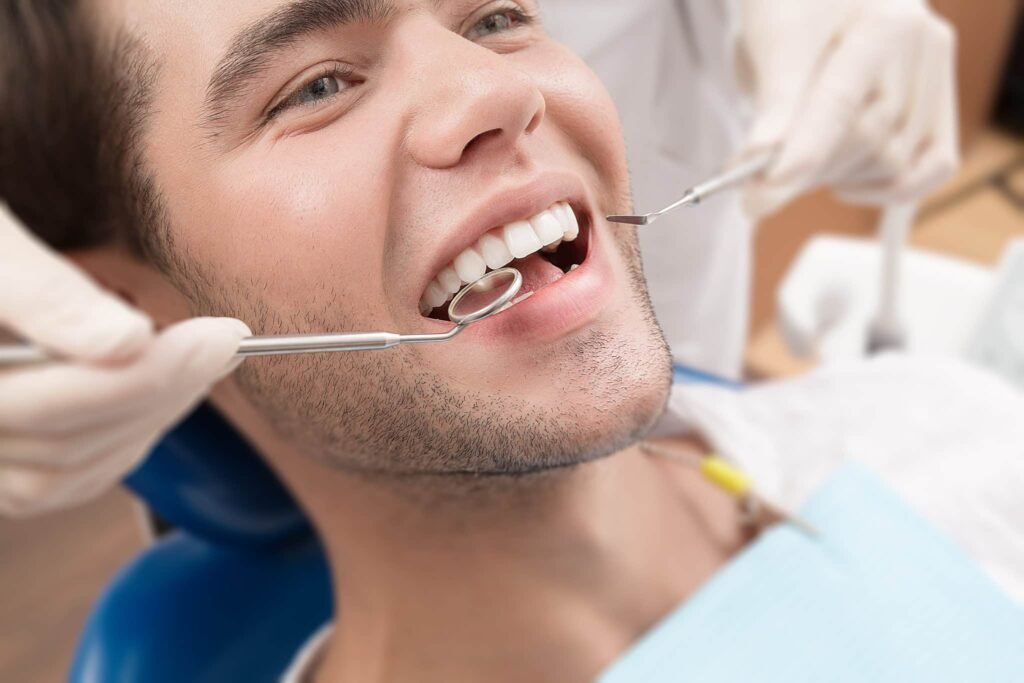

A healthy smile is more than just an aesthetic asset—it plays a crucial role in your overall well-being. Good oral health helps you eat comfortably, speak clearly, and feel confident in your daily interactions.
Yet, many people underestimate the importance of consistent dental care until problems like cavities, gum disease, or tooth sensitivity arise.
According to data from the Philippine Department of Health, dental issues remain one of the most common health concerns in the country, affecting both children and adults alike (https://doh.gov.ph).
The good news is that most dental problems are preventable with simple, effective habits you can easily incorporate into your routine.
Why Dental Care Matters
Oral health is closely linked to your general health. Poor dental hygiene can lead to gum infections, which may increase the risk of more serious conditions such as heart disease and diabetes. Bacteria from the mouth can enter the bloodstream, causing inflammation and other complications. Maintaining healthy teeth and gums is not just about preventing toothaches—it’s about protecting your entire body.
Build a Strong Daily Routine
The foundation of good dental care starts with a consistent daily routine. Brushing your teeth at least twice a day—once in the morning and once before bed—is essential. Use a fluoride toothpaste and a soft-bristled toothbrush to gently clean all surfaces of your teeth. Brushing should last at least two minutes to ensure thorough cleaning.
Equally important is flossing. While brushing cleans the outer surfaces, flossing removes food particles and plaque between teeth where toothbrushes cannot reach. Skipping this step allows bacteria to build up, increasing the risk of cavities and gum disease.
Using an antibacterial mouthwash can provide an extra layer of protection by reducing harmful bacteria and freshening your breath. While not a substitute for brushing or flossing, it’s a helpful addition to your routine.
Watch What You Eat
Your diet plays a significant role in your dental health. Foods high in sugar and starch create an environment where bacteria thrive, leading to plaque buildup and tooth decay. Limiting sugary snacks, soft drinks, and processed foods can make a big difference.
Instead, choose tooth-friendly foods such as fruits, vegetables, dairy products, and nuts. Crunchy fruits and vegetables like apples and carrots can help clean your teeth naturally, while calcium-rich foods like milk and cheese strengthen tooth enamel.
Drinking plenty of water is also essential. Water helps wash away food particles and keeps your mouth hydrated, reducing the risk of dry mouth—a condition that can increase the likelihood of cavities.
Don’t Skip Dental Checkups
Even with excellent at-home care, regular dental visits are still necessary. Dentists can detect early signs of problems that you might not notice, such as small cavities or gum inflammation. Professional cleaning removes tartar buildup that brushing and flossing alone cannot eliminate.
It’s recommended to visit your dentist at least twice a year. However, your dentist may suggest more frequent visits depending on your specific needs. Early detection not only prevents complications but also saves you from more costly treatments in the future.
Protect Your Teeth from Damage
Many people unknowingly damage their teeth through everyday habits. Biting hard objects like ice, pens, or fingernails can cause chips or cracks. If you play sports, wearing a mouthguard is essential to protect your teeth from injury.
Teeth grinding, also known as bruxism, is another common issue that can wear down enamel over time. If you notice jaw pain or headaches, especially in the morning, consult your dentist. They may recommend a night guard to protect your teeth while you sleep.
Teach Kids Early
Developing good dental habits should start at a young age. Children who learn proper brushing and flossing techniques early are more likely to maintain these habits as adults. Parents should supervise brushing until children can do it effectively on their own, usually around age 6 to 8.
Limiting sugary snacks and encouraging water instead of sugary drinks can also help protect children’s teeth. Regular dental visits should begin as soon as the first tooth appears or by the child’s first birthday.
Stay Consistent and Mindful
Consistency is the key to long-term dental health. It’s not about making drastic changes overnight but about maintaining small, daily habits that add up over time. Pay attention to warning signs such as bleeding gums, persistent bad breath, or tooth sensitivity. These could indicate underlying issues that need attention.
Replacing your toothbrush every three to four months—or sooner if the bristles are frayed—is another simple yet often overlooked step. A worn-out toothbrush is less effective at cleaning your teeth.
The Confidence of a Healthy Smile
A healthy smile boosts self-esteem and leaves a lasting impression. When you take care of your teeth, you’re not just preventing problems—you’re investing in your confidence and quality of life. Smiling freely without discomfort or embarrassment can positively impact your personal and professional relationships.
Achieving and maintaining good dental health doesn’t have to be complicated. By following simple, practical steps—brushing and flossing daily, eating a balanced diet, visiting your dentist regularly, and avoiding harmful habits—you can enjoy strong, healthy teeth for years to come.
Remember, your smile is one of your most valuable assets. Take care of it, and it will take care of you.