
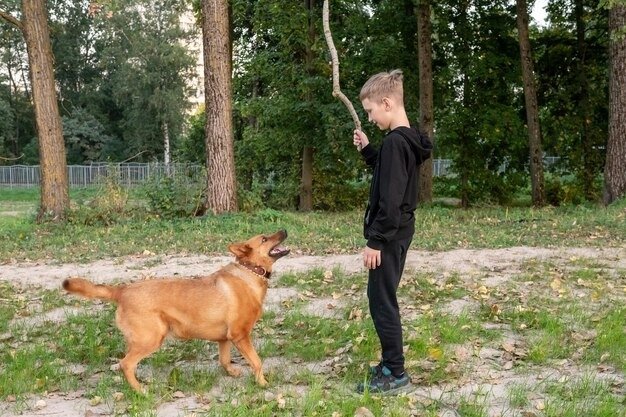

Good manners are not just for people they are essential for dogs too. Whether it’s greeting guests politely, walking calmly on a leash, or listening the first time they’re called, manners shape how dogs live with their families and interact with the world. That’s why dog manners training Scottsdale AZ is one of the most important investments a dog owner can make.
Many behavioral issues that owners struggle with are not actually serious behavior problems. They are simply a lack of structure, communication, and clear expectations. With the right training approach, most dogs can learn calm, polite behavior that makes daily life easier and more enjoyable for everyone.
This guide explains what dog manners training is, why it matters, and how professional training helps dogs become well-behaved companions at home and in public.
What Is Dog Manners Training?
Dog manners training focuses on teaching dogs how to behave politely in everyday situations. Instead of teaching tricks, this type of training builds reliable behavior and self-control.
Dog manners training typically includes:
- Walking politely on a leash
- Sitting politely instead of jumping
- Waiting at doors and gates
- Coming when called
- Staying in place when asked
- Calm behavior around people and other dogs
- Respecting boundaries in the home
- Not begging during meals
- Greeting visitors calmly
These skills create a dog that is easy to live with and welcome in more places.
Why Dog Manners Training Is Important
Without training, dogs often develop habits like jumping, pulling, barking excessively, and ignoring commands. These behaviors can be frustrating and sometimes dangerous.
Proper manners training helps:
- Improve communication between dog and owner
- Prevent problem behaviors from developing
- Create a calmer household
- Make walks enjoyable instead of stressful
- Allow dogs to go more places with their owners
- Build confidence and reduce anxiety in dogs
- Strengthen the bond between dog and owner
A well-trained dog has more freedom, more opportunities, and a better quality of life.
Common Behavior Problems That Manners Training Fixes
Many owners seek dog manners training because of everyday behavior issues. The most common problems include:
Jumping on People
Dogs jump because they are excited and seeking attention. Training teaches them to sit and greet politely instead.
Pulling on the Leash
Loose-leash walking is one of the most important manners skills. Dogs learn to walk calmly beside their owner instead of dragging them down the street.
Not Listening
Many dogs listen at home but ignore commands outside. Manners training focuses on reliability in real-world environments.
Door Bolting
Dogs that rush through doors can get lost or injured. Training teaches them to wait calmly until released.
Begging for Food
Dogs learn boundaries and place commands so they relax during meals instead of begging.
Barking at Guests
Training teaches calm behavior when visitors arrive instead of barking, jumping, or running around.
These are not personality problems they are training problems, and they can be fixed with the right program.
Dog Manners Training Scottsdale AZ for Real-Life Situations
One of the biggest mistakes in dog training is only training inside the house. Dogs need to learn how to behave in real-life environments with distractions.
Real-world manners training includes practicing in:
- Neighborhood streets
- Parks
- Outdoor shopping areas
- Around other dogs
- Around children
- Restaurants and patios
- Busy sidewalks
- Parking lots
- Pet-friendly stores
Training in these environments helps dogs learn to listen no matter what is happening around them.
This is what makes dog manners training Scottsdale AZ so effective it prepares dogs for everyday life, not just training sessions.
Core Commands Every Dog Should Know
A well-mannered dog should reliably understand several core commands. These commands form the foundation for all behavior training.
Essential Commands
- Sit
- Down
- Stay
- Come
- Heel
- Place
- Leave it
- Off
- Wait
- Break/Release
These commands help owners manage their dogs in almost any situation.
For example:
- Place helps when guests come over
- Heel makes walks calm and controlled
- Leave it prevents dogs from picking up dangerous objects
- Stay helps with safety and control
- Come is critical for off-leash reliability
How Dog Manners Training Works
Professional dog manners training usually follows a structured process to ensure reliable results.
Step 1: Evaluation
The trainer evaluates the dog’s behavior, temperament, and current training level.
Step 2: Foundation Training
Dogs learn basic obedience commands and how to respond to guidance.
Step 3: Impulse Control Training
Dogs learn patience, waiting, and calm behavior instead of reacting impulsively.
Step 4: Distraction Training
Training moves into environments with distractions so dogs learn to listen anywhere.
Step 5: Real-World Application
Dogs practice manners in public places and everyday situations.
Step 6: Owner Education
Owners learn how to maintain training and communicate clearly with their dog.
This step-by-step approach creates long-term results instead of temporary fixes.
The Role of Consistency in Dog Manners Training
Consistency is one of the most important factors in dog training success. Dogs learn through repetition and clear expectations.
Owners should:
- Use the same commands every time
- Follow through when giving commands
- Reward good behavior
- Correct unwanted behavior immediately
- Practice training daily
- Set clear boundaries in the home
Dogs thrive when they understand the rules and structure of their environment.
Training at Home vs Professional Training
Some owners try to train their dogs on their own, which can work for basic commands. However, professional training often produces faster and more reliable results.
Training at Home
Pros:
- Lower cost
- Flexible schedule
- Builds owner involvement
Cons:
- Slow progress
- Inconsistent training
- Hard to train around distractions
- Difficult to fix behavior problems
Professional Training
Pros:
- Faster results
- Structured training program
- Real-world training environments
- Expert guidance
- Better long-term behavior
Many owners choose professional dog manners training because it saves time and reduces frustration.
How Long Does Dog Manners Training Take?
Training timelines vary depending on the dog’s age, temperament, and previous training. However, most dogs show noticeable improvement within a few weeks.
Typical Training Timeline
Week 1–2
- Learning basic commands
- Beginning leash training
- Understanding structure and rules
Week 3–4
- Improved listening skills
- Better impulse control
- Less jumping and pulling
Week 4–6
- Reliable commands with distractions
- Calm behavior in public places
- Better manners at home
6 Weeks and Beyond
- Advanced manners
- Off-leash reliability
- Long-term behavior consistency
Training is an ongoing process, but the biggest improvements usually happen within the first month.
Dog Manners Training for Puppies vs Adult Dogs
Both puppies and adult dogs benefit from manners training, but the training approach may differ slightly.
Puppies
- Easier to teach new habits
- Early socialization is important
- Focus on structure and basic commands
- Prevent bad habits before they start
Adult Dogs
- Can still learn new behaviors
- May need to break bad habits first
- Often learn quickly with proper structure
- Benefit greatly from consistency and boundaries
It is never too late to train a dog. Adult dogs can learn manners just as well as puppies with proper training.
Signs Your Dog Needs Manners Training
Many owners wait too long before starting training. Here are signs your dog would benefit from manners training:
- Pulls on the leash
- Jumps on people
- Ignores commands
- Runs through doors
- Barks excessively
- Begs for food
- Steals items around the house
- Gets overly excited around guests
- Doesn’t listen outside the house
- Has no impulse control
If a dog shows several of these behaviors, manners training can make a huge difference.
Long-Term Benefits of Dog Manners Training
Dog manners training does more than just improve behavior. It improves the overall relationship between dog and owner.
Long-Term Benefits
- Less stress at home
- Easier walks
- Better social behavior
- More freedom for the dog
- Increased safety
- Stronger bond between dog and owner
- More confidence in the dog
- Better experiences in public places
- Easier vet visits and grooming
- Happier household overall
A well-trained dog is more relaxed because they understand what is expected of them.
Final Thoughts on Dog Manners Training Scottsdale AZ
Investing in dog manners training Scottsdale AZ is one of the best decisions a dog owner can make. Training creates structure, communication, and clear expectations, which leads to a calmer, happier, and more well-behaved dog.
Good manners are not about strict control they are about teaching dogs how to live successfully in a human world. When dogs understand boundaries and commands, they gain more freedom and owners gain confidence in their dogs.
Whether you have a new puppy, an adult dog with bad habits, or a dog that just needs better listening skills, professional manners training can completely change daily life for both you and your dog. Working with experienced trainers like Rob’s Dog Training helps ensure dogs learn reliable behavior in real-life situations, not just during training sessions.
A well-mannered dog is not just trained; they are trusted, reliable, and enjoyable to take anywhere.