
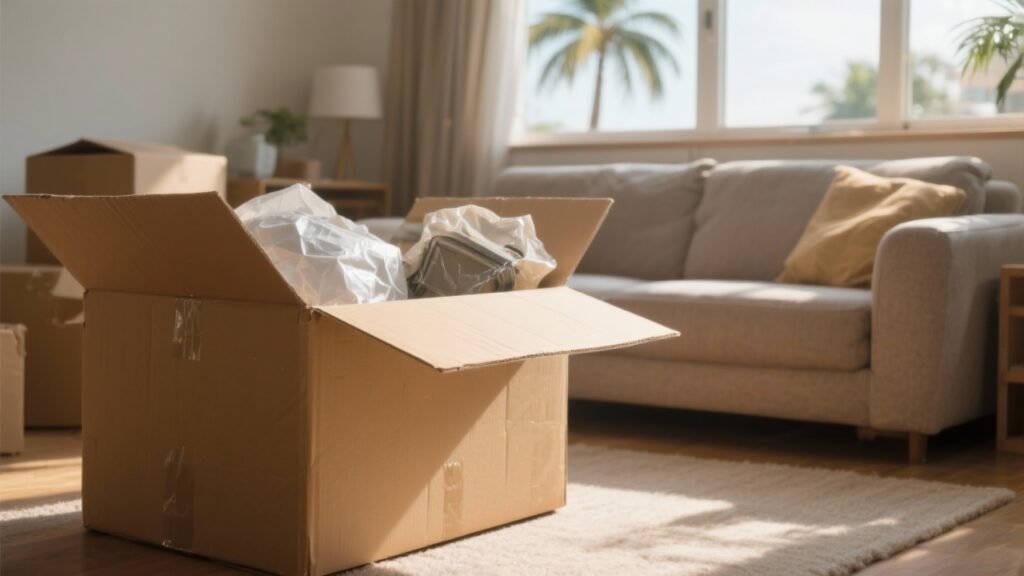

Moving to the Sunshine State is exciting, but it comes with its own set of rules, surprises, and must-do tasks. Whether you’re relocating for work, retirement, or a complete lifestyle reset, having a clear plan can make your transition smooth and stress-free. This moving to Florida checklist covers everything you need to know before your arrival—including paperwork, housing, utilities, insurance, and weather prep. And if you’re searching for a trusted relocation partner, many new residents recommend LD Movers in Florida for a seamless moving experience.
Below is your complete Florida relocation guide, created to save you time, money, and headaches.
1. Understand What You Need to Know Before Moving to Florida
Before packing a single box, it’s crucial to know what life in Florida really requires. From weather adjustments to local regulations, many newcomers are caught off guard by the details.
Here’s what to know before moving to Florida:
- The humidity is real — Expect long, hot summers and short, mild winters. Your body will adjust, but give it a few weeks.
- Home insurance is more complicated than in many states due to hurricanes and flood zones.
- HOAs are common — especially in new communities; they come with rules and fees.
- No state income tax — which is one of the biggest reasons people move here.
- Tourist seasons affect traffic — winter and spring break can drastically change how busy a city feels.
Understanding these basics will help you make smarter decisions as you plan your move.
2. Choose the Right City or Region for Your Lifestyle
Florida is large and diverse—very different experiences depending on where you settle. This is a crucial part of any Florida relocation guide because lifestyle quality varies widely.
Popular Regions for New Residents
South Florida (Miami, Fort Lauderdale, West Palm Beach)
- International vibe
- Amazing beaches and nightlife
- Higher cost of living
- Hot and humid year-round
Central Florida (Orlando, Kissimmee, Clermont)
- Family-friendly
- Huge job market
- Famous theme parks
- More affordable than Miami
Tampa Bay Region (Tampa, St. Pete, Clearwater)
- Great balance of affordability and lifestyle
- Strong job growth
- Active outdoor culture
North Florida (Jacksonville, St. Augustine)
- Lower cost of living
- Seasonal climate
- Fast-growing for young families
Southwest Florida (Sarasota, Fort Myers, Naples)
- Retiree-friendly
- Beautiful beaches
- Quiet, upscale communities
Spend time researching the culture, job market, and housing costs of each before committing.
3. Understand the Cost of Living and Hidden Expenses
Your budget may shift once you move. Some things become cheaper, while others—like insurance—may cost more.
Key Expenses to Plan For
✔ Housing Costs
Prices vary widely. Miami is one of the most expensive cities in the country, while Jacksonville and Fort Myers remain affordable.
✔ Utilities
Electricity bills can spike in summer due to constant air conditioning.
✔ Insurance
This is a major point in every Florida new resident guide:
- Home insurance is significantly more expensive due to hurricane risk.
- Flood insurance may be mandatory depending on your zone.
- Car insurance in Florida is one of the highest in the U.S.
✔ HOA Fees
They often include:
- Landscaping
- Pools
- Community maintenance
- Security
But they also come with strict rules, so read carefully.
Understanding these hidden expenses will help you create a realistic cost-of-living plan.
4. Secure Housing Before Arriving
Whether renting or buying, Florida’s housing market moves fast.
Tips for Finding the Right Home
- Visit in person if possible. Pictures can be misleading.
- Check flood zones before signing anything.
- Ask about hurricane-proof windows and roof age.
- Research HOA rules and fees upfront.
- Rent first if you’re unsure about long-term location.
Many new residents begin by renting short-term until they understand the area better.
5. Prepare for Florida Weather—Especially Hurricanes
Anyone building a moving to Florida checklist learns quickly: hurricane prep is not optional.
What You Need to Do
- Create a storm kit: water, food, flashlights, batteries.
- Know your evacuation zone.
- Install hurricane shutters or impact windows.
- Keep important documents waterproofed.
- Don’t wait—prepare before hurricane season (June–November).
Once you experience your first storm season, you’ll understand why locals take it seriously.
6. Handle All Legal Requirements Quickly
Florida requires new residents to update several documents soon after moving.
This part covers moving to Florida requirements many people forget.
Within 10–30 Days of Arrival:
✔ Get a Florida driver’s license
The DMV can be slow—book ahead.
✔ Register your vehicle
You must have Florida insurance BEFORE registering.
✔ Update voter registration
Easy to do online.
✔ Change your address
For USPS, IRS, billing, banking, and subscriptions.
Completing these early avoids legal headaches later.
7. Set Up Utilities and Essential Services
Florida cities use different utility providers, so there is no universal setup.
Typical Services to Arrange
- Electricity (usually FPL, Duke Energy, or TECO)
- Water and sewer
- Trash pickup
- Internet (Spectrum, Xfinity, AT&T Fiber)
- Pest control (recommended due to insects/humidity)
- Lawn maintenance (especially in HOA communities)
Set everything up before your move-in date to avoid delays.
8. Learn About Local Lifestyle, Culture, and Outdoor Living
People move to Florida for lifestyle—sunshine, beaches, parks, and outdoor recreation.
Expect These Lifestyle Changes
- You’ll spend more time outside year-round.
- Wildlife is everywhere—gators, lizards, birds.
- Beach days become part of regular life.
- The pace is slower in coastal cities, faster in Miami.
Understanding Florida’s unique culture will help you integrate quickly.
9. Build a Hurricane-Friendly Home Setup
This is something few people think about before moving. Your home should be storm-ready at all times.
At Minimum, You Should:
- Keep flashlights and batteries accessible.
- Know how to secure outdoor furniture.
- Install surge protectors for electronics.
- Keep AC maintained—breakdowns in summer are brutal.
- Stock non-perishable food.
These small habits make a big difference during storm season.
10. Connect With Your New Community
One of the biggest challenges for newcomers is building a social circle.
Ways to Meet People
- Join local Facebook community groups.
- Attend beach cleanups and outdoor events.
- Try co-working spaces.
- Participate in boating, fitness, or pickleball clubs.
- Volunteer—Florida has strong community networks.
Building relationships will help you feel at home faster.
Final Thoughts: Your Complete Moving to Florida Checklist
Relocating to Florida can be a fantastic life decision—sunshine, no state income tax, outdoor living, and a booming job market. But like any big move, Florida has unique requirements and hidden complexities that can catch newcomers off guard.
Following this comprehensive checklist ensures you’re fully prepared and confident as you begin your new life in the Sunshine State. From weather awareness to legal documents, housing decisions to lifestyle changes, this guide brings together every essential point you should know before arriving.